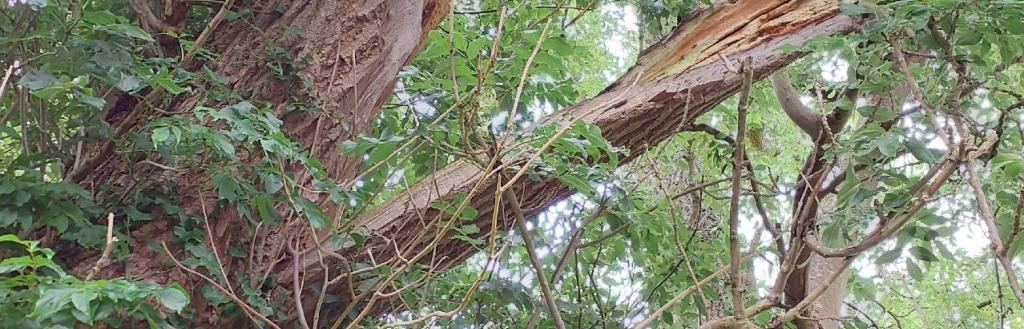
Cumberland Council is continuing its proactive programme to manage the impact of Ash Dieback disease and other dangerous trees across the county's highway network.
This year, survey work is taking place in the southern part of Cumberland and will include U roads (urban roads), as well as the A5086 and Cumberland-managed sections of the A595. As part of this work, residents and road users may notice survey vehicles travelling along roads throughout the area as inspections are carried out.
Following tree surveys of Cumberland's road network, including A roads, B roads, C roads and urban routes, a number of trees have been identified that require further inspection, maintenance or removal. While many trees can be monitored or managed through maintenance works, some have deteriorated to the point where they pose an immediate risk to the highway network and public safety.
Where hazardous trees are located on private land, Cumberland Council will continue to work closely with landowners, parish councils and town councils to address the risks. Letters will be issued to affected landowners, and in some cases formal notices under Section 154 of the Highways Act 1980 may be served where a tree is considered to present an immediate danger to highway users.
Ash Dieback affects Ash trees (Fraxinus species) and is recognised as the most significant tree disease to affect the UK since Dutch Elm Disease. It is predicted that a significant proportion of the UK's Ash tree population will be affected over the coming years, resulting in extensive tree management and removal programmes.
Trees affected by the disease can become brittle and unstable, with branches or entire trees capable of failing without warning. This presents a serious safety risk to road users, pedestrians, property and the operatives tasked with carrying out the work.
Cumberland Council would like to reassure residents that tree removal is always a last resort but it is a preventative measure to reduce risk to highway users. In line with council policy, trees will only be removed when they are dead, dying, diseased or present an unacceptable safety risk. Wherever possible, alternative management options will be considered first.
Residents living in areas directly affected by tree works may receive correspondence from the council explaining the reasons for the work and any action required. The council is committed to keeping communities informed while ensuring the safety of everyone using Cumberland's highways.
Cumberland Council would like to thank residents, landowners and local councils for their continued cooperation and support as this important work progresses.
For more information about Ash Dieback and how to identify the disease, visit the Woodland Trust website. Landowners who have received correspondence regarding affected trees can also find further guidance on the Cumberland Council website or contact Cumbria Highways on 0300 373 3736.