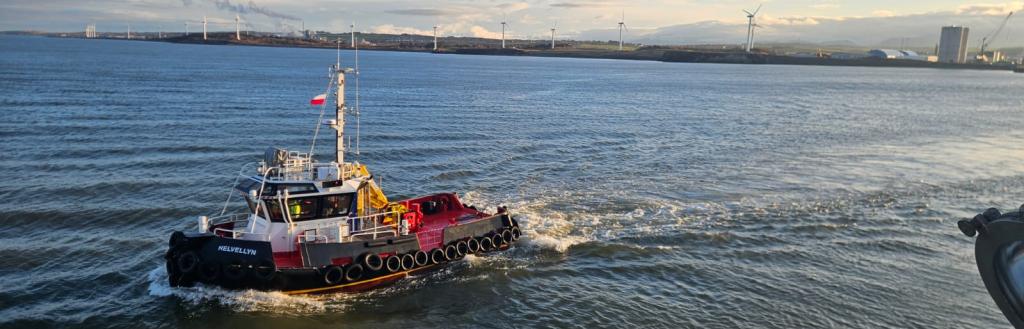
A new pilot boat / harbour tug has taken to the waters at the Port of Workington – representing a significant investment in the port’s vital operations.
The new boat – named Helvellyn - completed its first official pilotage and towage act last week and replaces the previous vessel known as Derwent which had been in operation for more than 30 years. At 32 years old Derwent was becoming increasingly difficult to cost-effectively maintain to the high standards required for port operations.
A pilot boat is a specialised vessel designed to help guide ships to and from the port and is essential for ensuring safe navigation, while also being a legal requirement.
This replacement boat represents an investment from the port’s owners and operators, Cumberland Council, of more than £1 million, further supporting the authority’s commitment to enhance the site as a catalyst for growth in the area.
The port currently handles around 300,000 tonnes of cargo each year as well as housing several prominent businesses in sectors such as construction and renewable energy.
More than £25 million has been invested by the Government and council in activities directly related to the port, improving things such as infrastructure, road access and warehouse capabilities.
Councillor Barbara Cannon, Cumberland Council’s Executive member for Financial Planning and Assets, said: “The port is an important asset not just for this council, but for Cumberland and wider Cumbria as a whole.
“While we have ambitious, longer-term proposals for the port it is important we continue to invest in the vital day-to-day operations which our customer and stakeholders rely on. Our investment in this pilot boat ensures we continue to be safe and effective at the port.”
Port manager Ben Meil said: “Derwent has been a phenomenal vessel and asset to the Port of Workington since it came into service new in 1992, however, there are many reasons why it needed to be replaced.
“As well as ensuring our operations are safe and effective, Helvellyn will also help reduce operational costs going forward through reduced fuel consumption, maintenance costs and insurance premiums, whilst providing the port further flexibility through the increased operational capabilities that this vessel offers.”