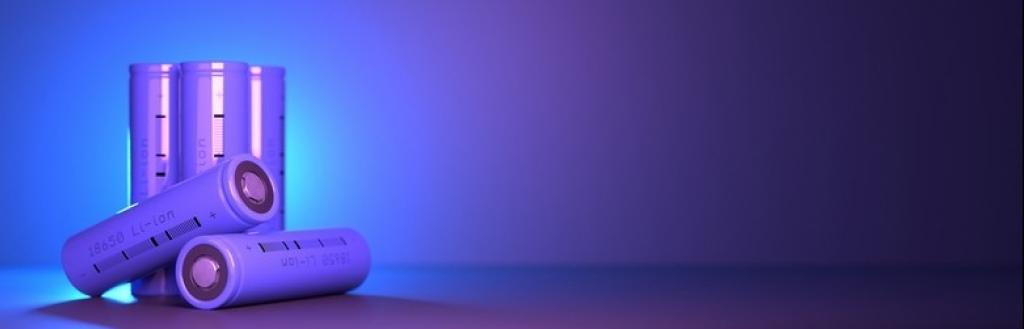
Cumberland Council is reminding residents about the dangers of lithium-ion batteries after a recent fire at Moss Bay Metals in Workington, believed to have been caused by one.
The incident highlights the serious risk these batteries can pose when damaged, crushed, overheated or disposed of incorrectly. Found in many everyday items including smartphones, vapes, e-bikes, power tools and other rechargeable devices, lithium-ion batteries can ignite quickly and cause fast-spreading fires.
Residents are being urged to follow manufacturers' guidance when charging, storing and disposing of battery-powered devices and to never place loose batteries in household general waste or recycling bins.
Earlier this year, Cumbria Fire and Rescue Service carried out a demonstration highlighting the dangers of damaged batteries. During the demonstration, a lithium-ion battery rapidly exploded and caught fire when subjected to pressure, showing how easily a serious incident can occur. While lithium-ion batteries pose a significant fire risk, other batteries, including alkaline batteries, can also become hazardous if they are damaged, crushed or disposed of incorrectly. That's why it's important to ensure all batteries are handled carefully and recycled through the correct disposal routes.
Councillor Denise Rollo, Cumberland Council's Executive Member for Sustainable, Resilient and Connected Places, said:
"The recent fire at Moss Bay Metals serves as a stark reminder that lithium-ion batteries, while part of our everyday lives, can pose a significant fire risk if they are damaged or disposed of incorrectly.
"Many people don't realise just how powerful these batteries are or how quickly a fire can develop when something goes wrong. We are encouraging residents to take a few simple precautions, follow manufacturers' guidance, and ensure batteries are recycled or disposed of safely.
“We appreciate that many residents already recycle batteries responsibly but taking a few extra moments to ensure they are stored, handled and disposed of correctly can help prevent potentially devastating fires."
Lithium-ion batteries should never be crushed, punctured or damaged, and those that are no longer wanted should be taken to a suitable battery recycling point or household waste recycling centre.
For more information on battery safety and recycling, visit Recycle | Recycle Your Electricals